
LDC works with a variety of services who can assist the participant to maintain their independence and quality of life.

Support workers are a vital contributor to NDIS participants daily life. They assist participants to live independently in their own home and in the community. Support they provide can include:
A Support Coordinator helps participants to understand their NDIS funding and available supports. Linking participants with services such as Allied Health Supports, community programs, and support workers.
Coordinates communication between providers, family, and informal supports. Assisting with resolving service issues or barriers to engagement.
Monitors whether supports are meeting needs and goals . Assisting with NDIS engagement including reviews.
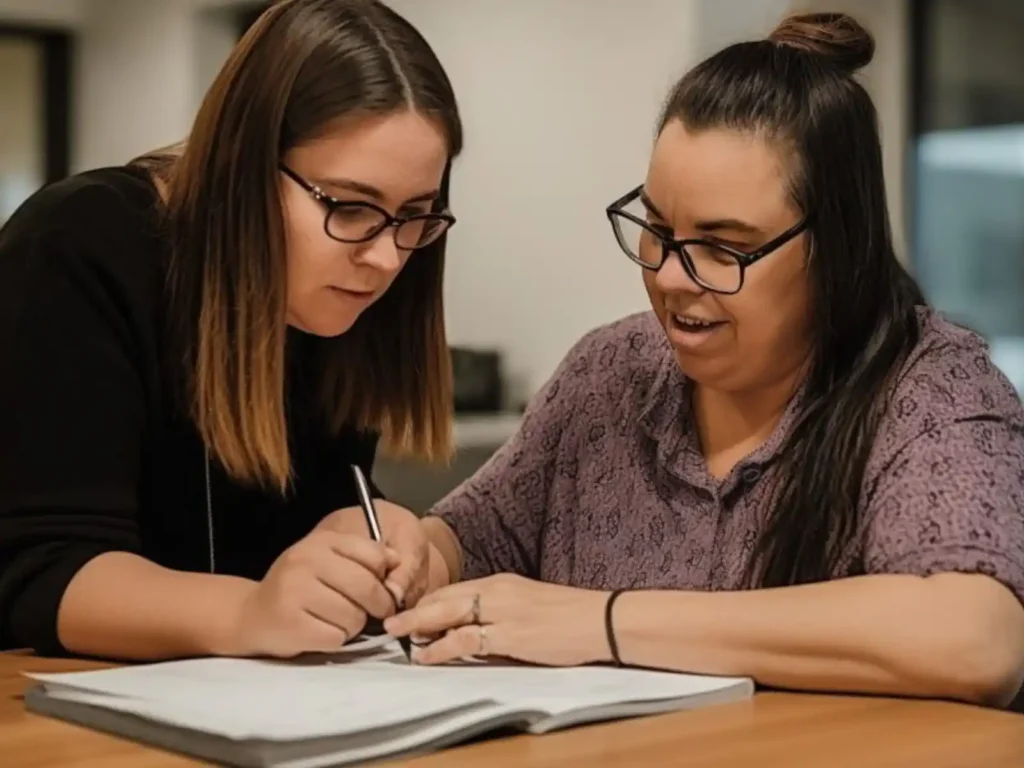

Support participants to increase community participation and reduce isolation. Helping identify risks and and early signs of need and arrange appropriate supports.
Supports participants to work towards recovery goals, improve independence, and strengthen daily living and community participation.
Assists participants to build routines, develop coping strategies, increase confidence, and improve engagement with support and services.
Assist to navigate NDIS supports, monitor wellbeing, and identify early signs of mental health decline to maintain stability and recovery.
Provides practical and emotional assistance to help a person live more independently and participate in everyday life. This can include:
Support workers provide an invaluable support in reducing daily barriers to connection with necessary services and advocating for their participants

Lotus Disability Care supports participants to connect with a variety of Allied Health
and Therapy services. These services assist in helping to learn skills and support participants to maintain independence and quality of life. Learn more to see what services can support you.
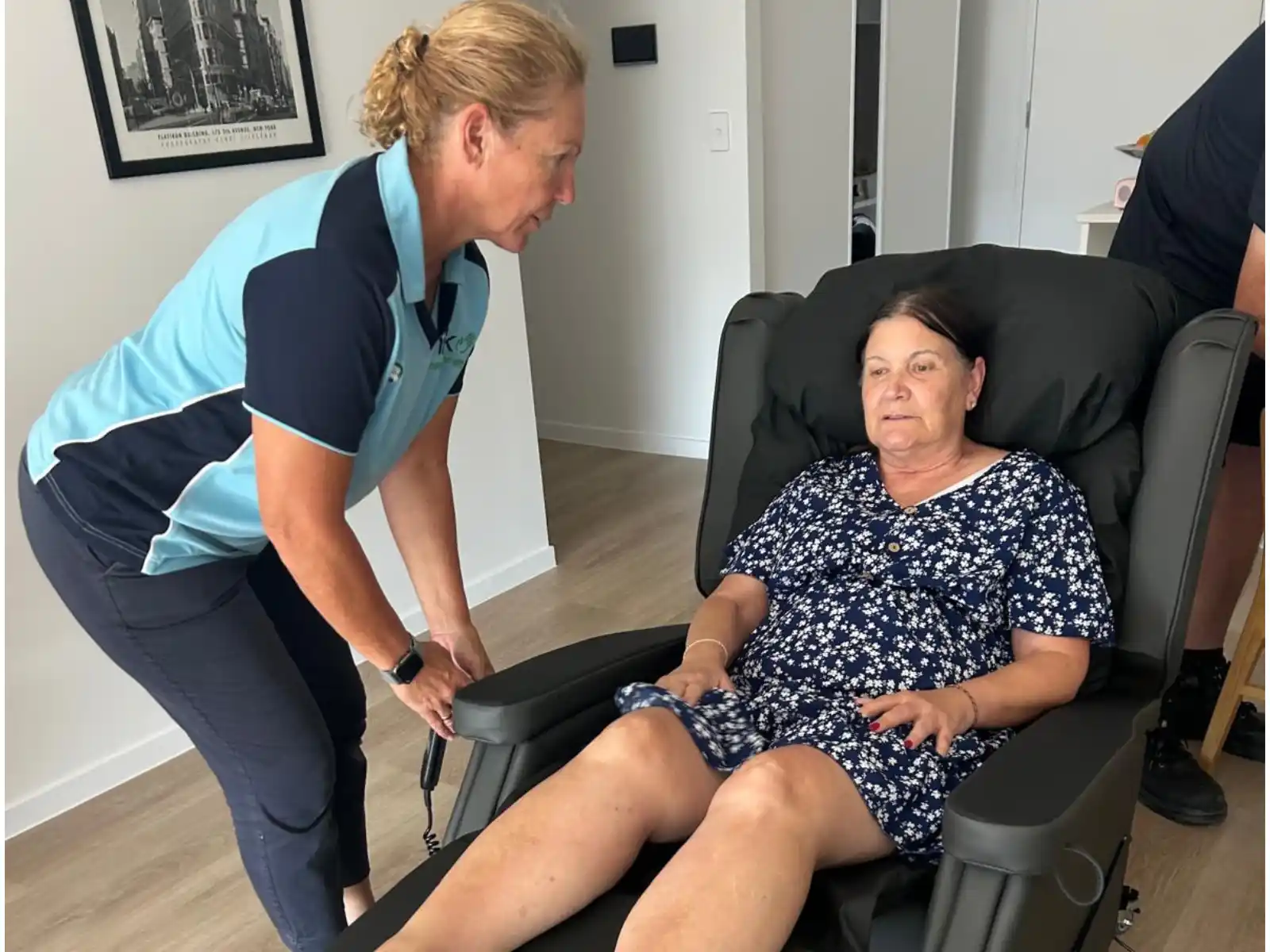
Occupational Therapists play a vital role in helping a person improve their ability to participate safely and independently in everyday activities. They assess how physical, mental health, cognitive, or sensory challenges impact daily functioning and develop strategies to build skills, routines, and independence.
An OT may support with:
Physiotherapist helps participants to:
Improve their physical health, mobility, strength, balance, and overall movement.
Assess physical difficulties and develop treatment plans and exercises to reduce pain, improve function, prevent injury, and increase independence in daily activities.
Support with mobility, posture, coordination, fitness, pain management, falls prevention, and safe movement within the home and community.

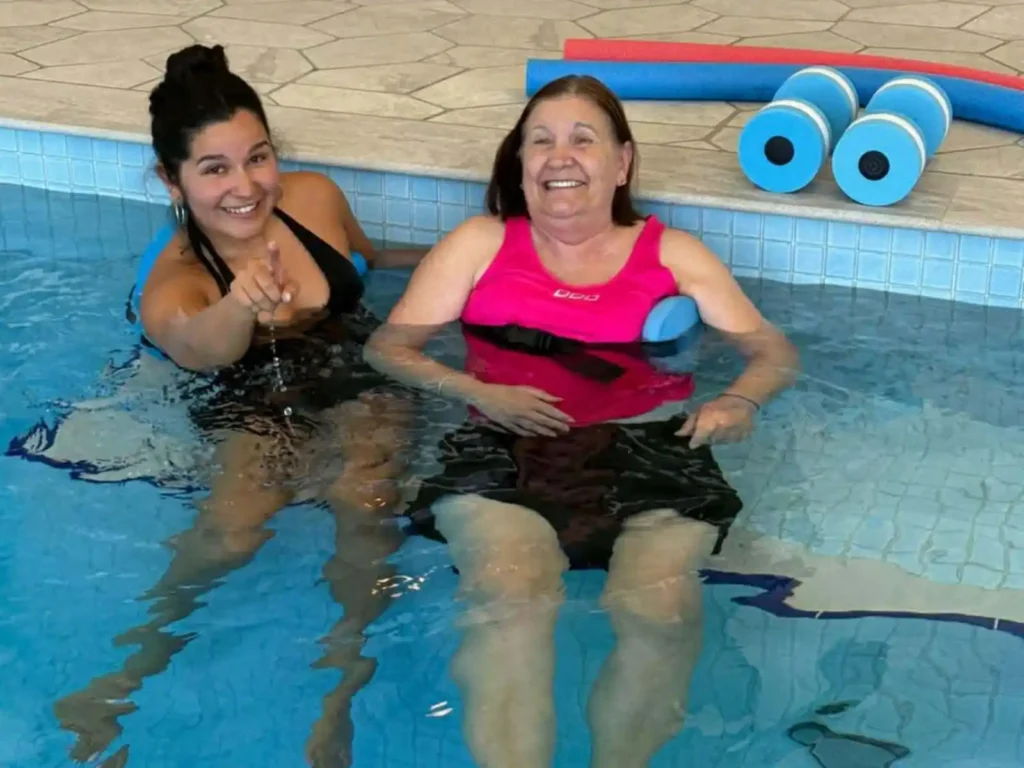
An Exercise Physiologist supports participants with chronic health conditions, mental health challenges, disability, or reduced physical functioning to improve independence, manage symptoms, increase confidence in physical activity, and support long-term health and quality of life.
Improve their physical and mental health through structured exercise programs.
Assess the participants physical condition and develop tailored exercise plans to improve strength, fitness, mobility, balance, endurance, and overall wellbeing.
A Dietitian helps people improve their health and wellbeing through nutrition and healthy eating. Their role aims to improve overall health, functioning, and quality of life through evidence-based nutrition support.
Assess a participants dietary needs. Provide tailored advice and meal planning to support physical health, manage medical conditions, improve energy levels, and maintain a healthy lifestyle.
Support with weight management, diabetes, gastrointestinal issues, nutritional deficiencies, eating patterns, and developing practical strategies for healthy eating.


A Speech Therapist (Speech Pathologist) helps people with communication and swallowing difficulties. Their role aims to improve communication, independence, safety, and quality of life.
Assess and support speech, language, understanding, social communication, voice, and eating or swallowing skills.
Assist a participant improve speaking, listening, comprehension, confidence in communication, and social interaction.
Assist participants with swallowing difficulties by providing strategies to support safe eating and drinking.
A Psychologist helps people understand and manage their thoughts, emotions, and behaviours. This includes:
Supporting emotional regulation, coping strategies, behaviour change, and improved wellbeing.
Provide different counselling services such as Cognitive Behaviour Therapy (CBT), Dialectical Behaviour Therapy (DBT) Talk therapy to assist with developing strategies for communication and other behaviours that leads to improved relationships