
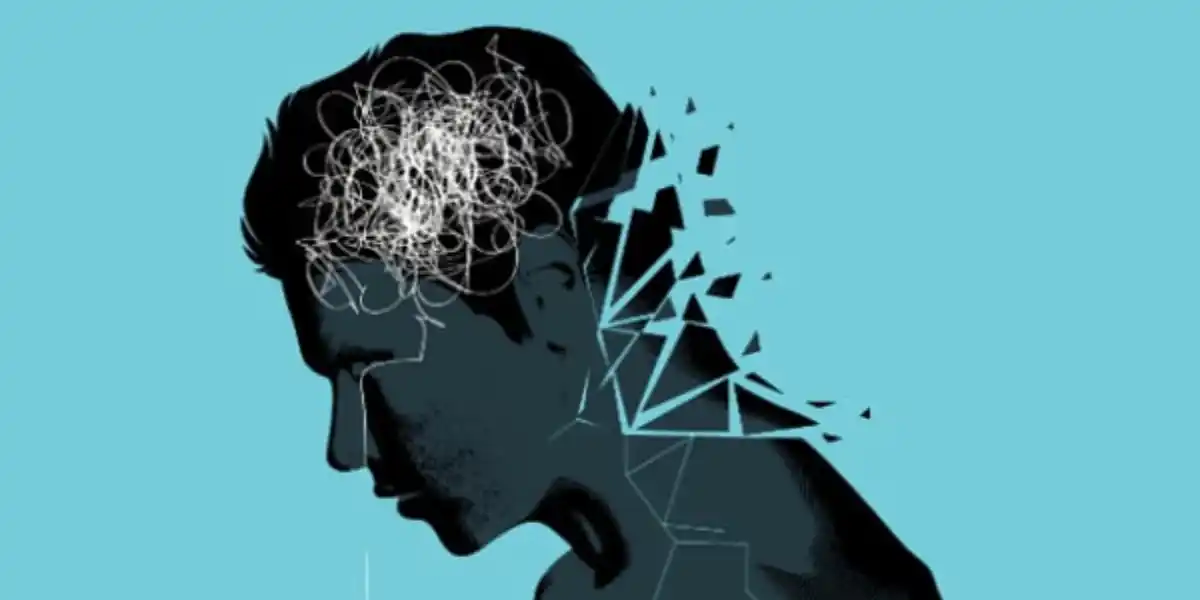
It is vital to address the challenges facing men’s mental health in Australia. While men often feel the pressure to be strong and self-reliant, recognizing vulnerability and seeking help is a sign of true strength.
Prevalence of Mental Health in Australian Men
Mental health statistics Australian men paint a clear picture of need:
- 1 in 4 (up to 25%) of Australian men are estimated to experience a diagnosed mental health disorder in their lifetime.
- Up to 15% may be experiencing a disorder at any given time.
- Depression is the most common disorder among adult men, often showing significant chronicity and increasing health risks.
- In younger males and boys, anxiety is the most prevalent issue, followed by depression, eating disorders, and substance abuse.
Loneliness is profoundly associated with depression and suicidality, even beyond factors like unemployment. Men are often more vulnerable to loneliness, having fewer close friends and being less likely to discuss their difficulties openly.
Identifying the Signs: Symptoms of Depression and Anxiety in Men
Men frequently show signs of stress and distress differently than women. It is crucial to recognize these symptoms, particularly in the context of symptoms of depression in men and anxiety.
Symptoms of Depression
| Emotion/Cognition | Physical/Behavioral |
| Feeling down, hopeless | Social withdrawal |
| Loss of pleasure in usual activities/hobbies | Difficulty sleeping or lack of energy |
| Poor concentration | Appetite changes (loss or overeating) |
| Feeling irritable or angry | Restlessness or crying regularly |
| Being overly self-critical | Using alcohol or substances to cope |
| Negative thoughts, Suicidal ideation |
Symptoms of Anxiety
Anxiety often manifests as:
- Constant worrying or a sense of dread.
- Feeling restless or easily irritable.
- Difficulty concentrating.
- Avoiding or withdrawing from certain situations.
- Physical symptoms: sweating, bowel changes, muscular tension, or panic attacks.
How Men Express Emotions and Why It Matters
Societal and cultural expectations often mandate that men be strong, protect, and provide. How men deal with emotions is often conditioned by early life experiences, leading many to suppress feelings, viewing vulnerability as weakness.
This suppression can lead to stress being displayed in less direct ways, such as:
- Working longer hours or social withdrawal.
- Becoming aggressive or short-tempered.
- Increased alcohol consumption.
Inability to express emotions effectively can heighten isolation, damage relationships, and increase the risk of developing mental health conditions like depression and anxiety.
Risk Factors: Understanding Male Mental Health Challenges
Several factors increase the likelihood of experiencing mental health issues. Many males experiencing one disorder also exhibit signs of one or more co-morbid conditions, most commonly anxiety, depression, and PTSD.
Key Risk Factors for Men (and Male Suicide Risk Factors Australia)
- Unemployment: The single greatest risk, making men 4 times more likely to experience depression.
- Divorce or separation.
- Socio-economic disadvantage.
- Identifying as non-heterosexual.
- Identifying as Indigenous Australian (where culturally appropriate support is essential).
- Being from a Culturally and Linguistically Diverse (CALD) background.
The Stigma: Barriers to Seeking Help for Men
Research shows that only one-quarter of men are likely to use mental health services, and only 40% of men seeing a GP engage with mental health professionals. Major barriers to seeking help for men include:
- Stigma and social norms.
- Cultural expectations of masculinity.
- Lack of mental health literacy.
- Financial constraints.
Strategies for Understanding and Managing Your Emotions
Learning to identify and express feelings is a skill that takes practice.
- Learn Your Body’s Language: Recognize physical sensations associated with emotions (e.g., anger as heat, anxiety as a knot in the stomach).
- Verbalize Feelings: Learn to put words to the sensations you are feeling, rather than just acting them out.
- Practice Vulnerability: Take the risk to share what you are struggling with. Remember, we are all human.
- Self-Care: Prioritize regular exercise, relaxation techniques, adequate sleep, and spending time with loved ones.
Talking About Suicidal Thoughts
If you are having suicidal thoughts, it is a sign that you have reached a crisis point and asking for help is essential for mitigating harm.
Talking to someone you trust—a friend, family member, or health professional—is the biggest hurdle. Sharing these feelings offers stress relief, a fresh perspective, and clarity.
When talking to a doctor or health professional: It is vital to share the details of your thoughts, especially if you have:
- Been thinking more often or in more detail about self-harm.
- Made a plan or taken steps to access items to carry out a plan.
- Tried to hurt yourself or end your life before.
Urgent Support and Help Lines
If you are in immediate danger or concerned for your safety, Call 000 and request an ambulance.