A support worker notices a participant wants to walk to a local shop alone for the first time. The family is worried because the person has previously become confused when travelling independently. The support team faces a common challenge: should they focus only on preventing risk, or should they support the person’s choice to become more independent?
This situation happens every day in disability support. Families want safety. Participants want control over their own lives. Support workers want to do the right thing.
Understanding duty of care and dignity of risk helps providers create a balance between protecting people from harm and respecting their right to make choices.
Why Safety and Independence Sometimes Conflict
In disability support, safety and independence do not always point in the same direction.
A provider may see a possible risk and want to prevent it completely. However, removing every possible risk can also limit confidence, personal growth, and independence.
For example, stopping someone from cooking because there is a small chance of injury may keep them safe, but it may also prevent them from developing important daily living skills.
This is where person-centred care becomes important. Instead of asking, “How do we remove every risk?” support teams ask, “How can we help this person achieve their goal safely?”
What Duty of Care Means in Disability Support
Duty of care and dignity of risk are two principles that guide quality support practice.
Duty of care refers to the responsibility of support workers and organisations to take reasonable steps to protect people from foreseeable harm.
This includes:
- following safety procedures
- identifying hazards
- providing appropriate assistance
- reporting concerns
- following individual support plans
According to the NDIS Quality and Safeguards Commission, providers must deliver supports that protect participant safety, rights, and wellbeing.
However, duty of care does not mean making every decision for a participant.
Understanding Dignity of Risk
Dignity of risk recognises that people have the right to make choices, including choices that involve some level of risk.
Everyone takes risks in everyday life. Choosing what to eat, where to go, or what activities to join are personal decisions.
For NDIS participants, having control over these choices is part of their independence and human rights.
The concept supports NDIS participant rights by encouraging people to make informed choices rather than having decisions automatically made for them.
A participant choosing to attend a community activity, learn a new skill, or complete a task independently may involve some risk — but it can also create confidence and personal growth.
How Support Workers Balance Both Responsibilities
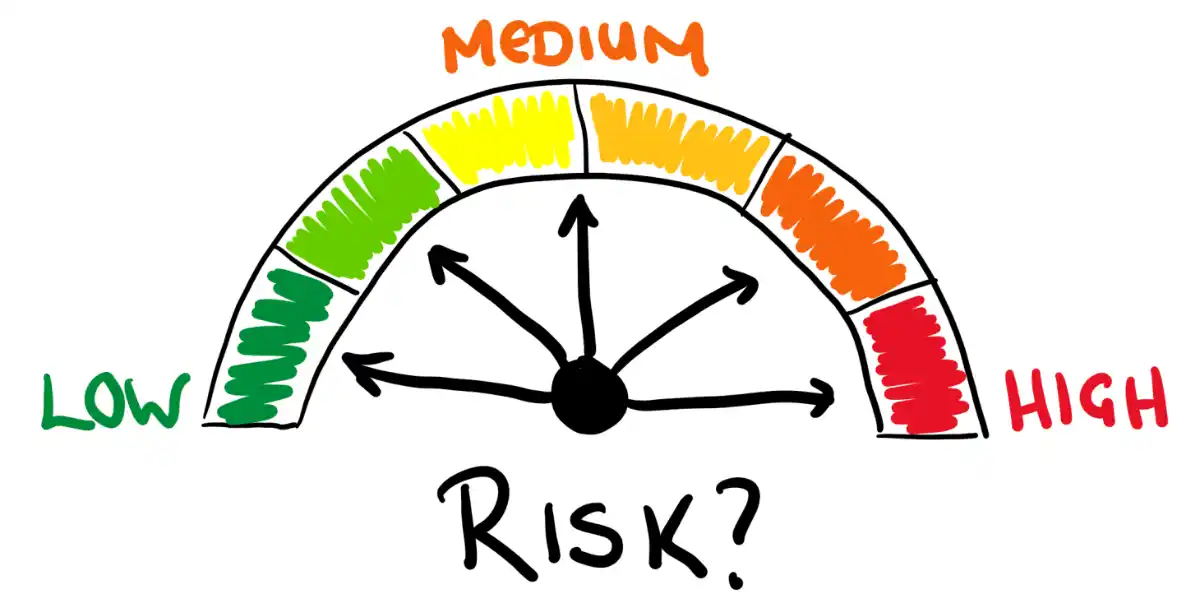
Balancing safety and independence requires thoughtful risk management in disability support.
A good approach includes:
- understanding the participant’s goals
- identifying possible risks
- discussing options clearly
- creating strategies to reduce unnecessary risks
- reviewing outcomes
For example, if a participant wants to travel independently, a support worker may help them practise the route, carry emergency contact information, or use safety tools rather than simply saying no.
This approach respects choice while still meeting support worker responsibilities.
Supporting Informed Choices Safely
Supporting someone’s decision does not mean ignoring risks.
Instead, it means helping the person understand:
- possible challenges
- available choices
- safety strategies
- consequences of decisions
This is called informed decision making.
A person-centred approach ensures the participant remains involved in decisions about their own life.
According to the Australian Government’s disability rights framework, people with disability have the right to exercise choice and control over decisions that affect them.
Why Independence Improves Wellbeing
Independence is not only about completing tasks alone. It is about confidence, identity, and having control over everyday life.
When participants are supported to make choices, they can experience:
- increased confidence
- stronger self-esteem
- greater community connection
- improved quality of life
Overprotecting someone can unintentionally reduce opportunities to learn and grow.
The goal of quality disability support is not to remove every challenge. It is to create the right environment where people can safely develop skills and make meaningful choices.
The Role of Providers in Creating Better Support Outcomes
For business owners and disability providers, understanding duty of care and dignity of risk is essential to delivering ethical and effective services.
Strong providers train teams to balance safety with independence, document decisions properly, and communicate openly with participants and families.
At Lotus Care Group, we believe support should protect people while also respecting their choices. True care means creating opportunities for participants to live with confidence, independence, and dignity.