Recently, there’s been more public conversation around sudden brain events in young people. While we’re not discussing specific cases, one thing’s clear: brain haemorrhage symptoms don’t discriminate by age. Healthy young adults can experience a stroke in young people in Australia without any warning signs. It’s a reality that deserves attention.
What Actually Happens During a Brain Haemorrhage
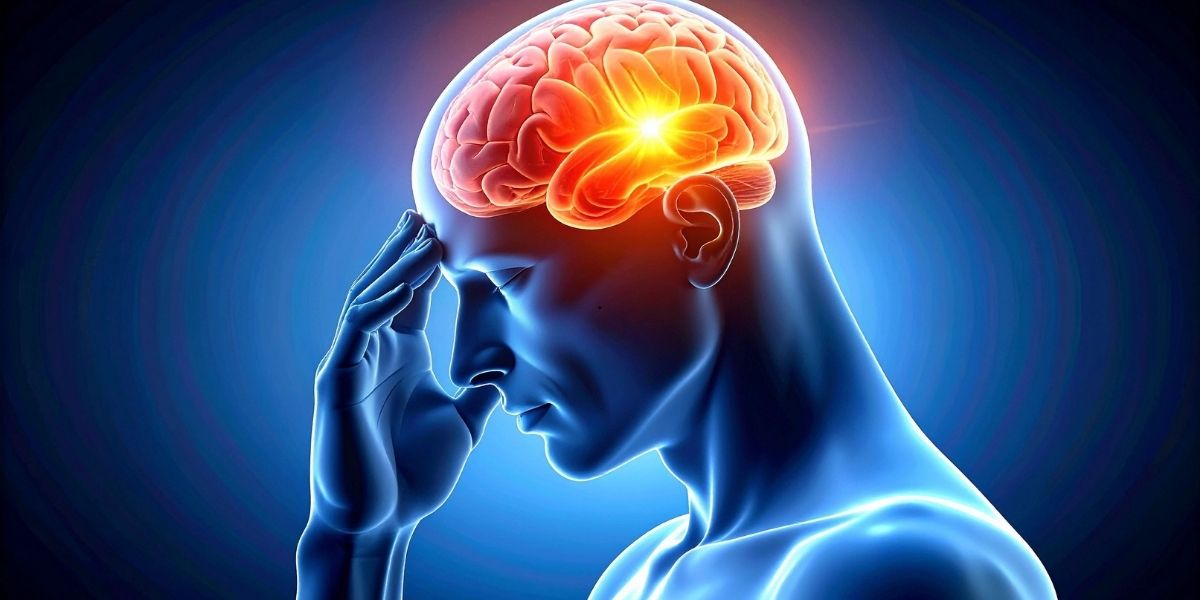
Brain haemorrhage symptoms occur when a blood vessel in your brain ruptures, causing bleeding into the surrounding brain tissue. Think of your brain as sitting inside a rigid skull with no room to swell. Even a small amount of blood can create dangerous pressure, cut off oxygen supply to brain cells, and cause life-threatening brain swelling. That’s why sudden collapse from bleeding in the brain needs emergency treatment immediately—every minute counts.
Warning Signs People Miss
Here’s the problem with signs of brain haemorrhage in young adults: they often come on suddenly, but people dismiss them. A severe headache gets blamed on stress. Weakness on one side? “I must have slept wrong.” “I’m just tired.” Loss of consciousness for a few seconds? “Probably low blood pressure.”
These are dangerous assumptions. Any of these symptoms: no matter how brief – deserve an emergency call.
There’s a simple test doctors recommend called FAST.
- Face: does one side droop?
- Arm: is there weakness?
- Speech: is it slurred?
- Time: if you spot any of these, call 000 immediately.
You’ll also want to watch for sudden dizziness, blurred vision, nausea, or confusion. The point is simple: don’t ignore brain haemorrhage symptoms, even if they seem minor or temporary.
It’s Not Just an Older Person’s Problem
There’s a misconception that strokes in young people in Australia are rare. It’s not. Young people face real risks, and the causes might surprise you.
Head trauma is actually the leading cause of brain bleeding in people under 50. Car accidents, falls, sports injuries – even minor head impacts can trigger bleeding, especially if you’re on blood thinners. Uncontrolled high blood pressure is another major culprit. Many young people have hypertension and don’t know it, which gradually weakens blood vessels until they rupture.
Some people are born with arteriovenous malformations (AVMs)—tangled abnormal blood vessels that can rupture without warning. Using stimulants like cocaine or amphetamine causes dangerous blood pressure spikes that can trigger bleeding instantly, even in young, healthy people. Pregnancy and postpartum complications significantly increase risk for women. Even certain birth control pills can raise the risk of clotting and bleeding. Other blood disorders, lifestyle factors like smoking or heavy drinking, and even aspirin combined with head trauma can all increase your risk.
What Recovery Actually Looks Like
If someone survives brain haemorrhage symptoms, recovery is a long journey. The first hours are critical for emergency surgery to stop the bleeding and manage brain swelling. After that comes rehabilitation: physical therapy to regain strength, speech therapy if needed, occupational therapy to relearn daily tasks, and psychological support because this is serious trauma.
Recovery continues in weeks and months after hospital discharge. Some people improve quickly over a few months; others need years. Everyone’s path is different. Many people face ongoing challenges like weakness, memory problems, difficulty concentrating, mood changes, or fatigue.
Getting the Right Support
Recovery from brain haemorrhage symptoms doesn’t end when you leave the hospital. Many survivors and their families struggle afterward, which is why specialized support matters.
Lotus provides personalized support for those who live with brain injury. We help create individualized rehabilitation plans, offer psychological support, guide people back to work or study, and provide long-term monitoring as recovery continues. If you or someone you care about is navigating life after brain injury, this kind of specialized support can make the path forward clearer and less isolating.