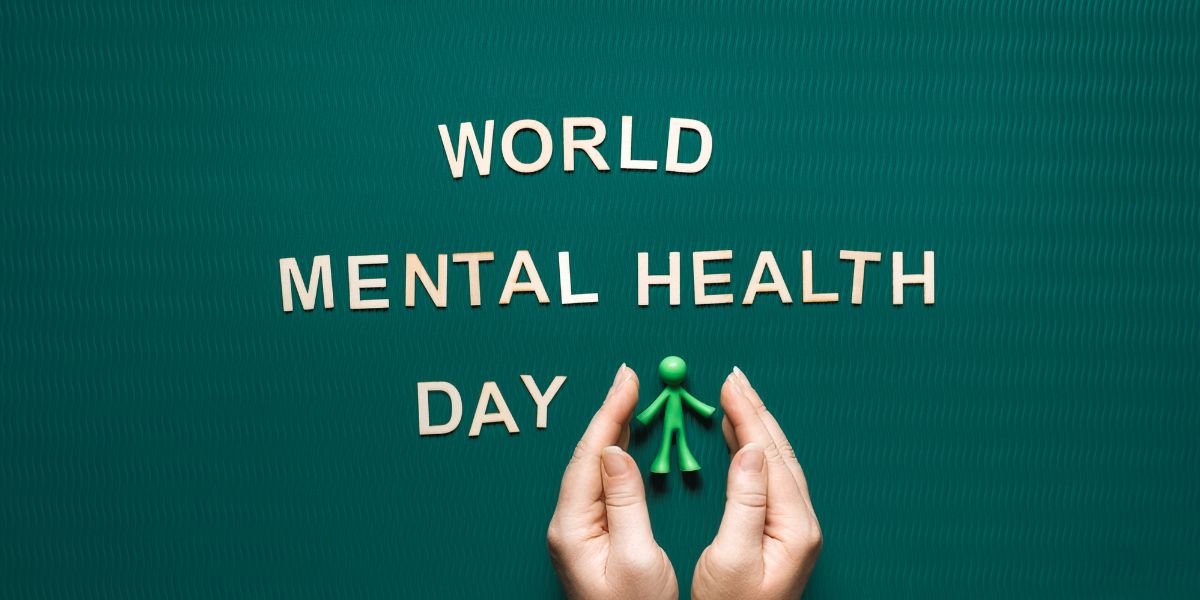
Picture sitting in a plan meeting where everyone talks about you, but nobody asks what you want. World Mental Health Day 2026 is about changing exactly that.
It falls on Saturday 10 October, and its theme is “Lived Experiences Heard: Real Voices, Real Change”. In other words, people who live with mental ill health should help shape the decisions made about them. That idea sits at the heart of psychosocial recovery coaching, an NDIS support that plenty of families have never heard of.
Why World Mental Health Day 2026 puts lived experience first
Lived experience mental health knowledge comes from the inside. It is what a person learns by living with a condition, rather than studying it. Families and carers hold it too.
Mental Health Month in Australia also runs through October. This year, Mental Health Australia’s theme is “Together We Thrive”. Both campaigns point the same way. Being heard matters, but only if something changes afterwards.
In disability support, that change is simple to describe. The person sets the direction, and the support follows.
What is psychosocial recovery coaching?
Psychosocial disability is a disability that comes from a mental health condition. Psychosocial recovery coaching is an NDIS-funded support for people in that situation. The NDIS website now simply calls the role a recovery coach, so you may see both names.
A recovery coach works with you, and the people you choose, to build skills, confidence and decision-making. They also help you find and organise other supports. Some coaches have lived experience of their own, and participants can choose to work with one.
What does a recovery coach do day to day?
It depends on the person. However, the work usually looks like this:
- Start with your goals. They are set in your words, not pulled from a list of symptoms.
- Prepare for plan meetings. That includes reviews, so you walk in knowing what you want to say.
- Coordinate your supports. Your providers, GP and community services work together instead of separately.
- Build skills at your pace. For example, routines, appointments or reconnecting with your community.
- Stay in touch during harder stretches. Support continues when things get tougher.
One day might be a walk and a chat about the week ahead. Another day might be a phone call to sort an appointment. The number of funded hours depends on your needs, and your NDIA planner or partner works that out with you.
How is it different from traditional mental health treatment?
Treatment, such as therapy or medication, focuses on symptoms and diagnosis. A recovery coach does not diagnose or treat. Instead, they focus on daily life, independence and what matters to you.
So recovery coaching works alongside your GP, psychologist or psychiatrist. It does not replace them. Think of treatment as asking “what is wrong?” and coaching as asking “what do you want your life to look like?”
There is some evidence behind this approach. A 2025 peer-reviewed study found that participants’ experiences of recovery coaching lined up strongly with a recognised personal recovery framework called CHIME-D. It is one study, though, and NDIS psychosocial supports are under review. So check what your own plan includes.
How Lotus Disability Care supports recovery on the Gold Coast
Lotus Disability Care is a registered NDIS provider based in Ashmore. Our Psychosocial Recovery service starts with the person’s own goals and builds from there. It also pairs naturally with NDIS Plan Support, which helps participants get the most from their budget.
Not sure where to start? Get in touch or call us on 0493 084 705.
Frequently asked questions
Is recovery coaching in every NDIS plan? No. It is designed for people whose main disability is psychosocial, and it must be included in the plan. Ask your planner or support coordinator at your next review.
Can a recovery coach diagnose a mental health condition? No. They support daily life and recovery, while diagnosis stays with your doctor or psychiatrist.
Is recovery coaching the same as support coordination? Not quite. Support coordination helps you use your plan. Recovery coaching adds specialist mental health knowledge and a recovery focus.
If you or someone you know needs support right now, call Lifeline on 13 11 14. In an emergency, call 000.
The takeaway
World Mental Health Day 2026 asks the world to listen. Psychosocial recovery coaching shows what listening looks like in practice: a plan built around what matters to you, not around what is wrong. If that is not in your plan yet, raise it at your next review.