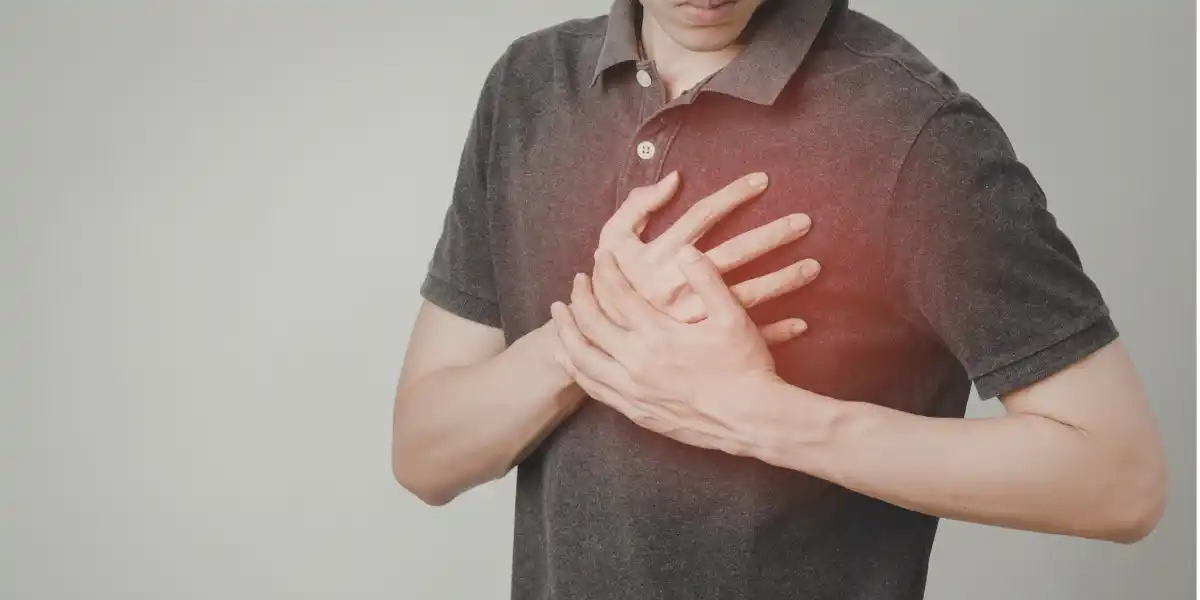
James runs a growing support service. Recently, one of his long-time clients cancelled multiple visits. Not unusual-but something felt off. A week later, the family called. It wasn’t just fatigue. It was a hospital admission.
What surprised James wasn’t the diagnosis-it was how long the signs had been there, unnoticed.
That’s the reality of early signs of heart disease. They don’t always look urgent. They don’t always feel serious. But missing them can cost everything.
Common Early Warning Signs
Early signs of heart disease often appear quietly, which is why they’re easy to ignore.
Some of the most common cardiovascular symptoms include:
- Chest discomfort or tightness
- Shortness of breath
- Fatigue, especially during simple activities
- Dizziness or lightheadedness
According to the Heart Foundation, many people experience mild symptoms weeks or even months before a serious cardiac event.
For service providers and families, this is critical. What looks like “just tiredness” may actually be one of the warning signs heart problems present early on.
Differences Between Mild And Serious Symptoms
Not every symptom feels like an emergency. That’s where the risk lies.
Early signs of heart disease can range from mild discomfort to more severe heart attack symptoms, such as:
- Persistent chest pain
- Pain spreading to the arm, neck, or jaw
- Nausea or cold sweats
The challenge is that mild symptoms are often dismissed-especially in older adults or people with existing health conditions.
According to the World Health Organization, cardiovascular diseases remain the leading cause of death globally, often due to delayed recognition of symptoms.
Risk Factors To Watch
Understanding risk factors makes it easier to spot early signs of heart disease.
Key risks include:
- High blood pressure
- Diabetes
- Smoking
- Lack of physical activity
- Ageing
For many families, these risks are already present-but not actively managed.
This is where heart health awareness becomes more than education-it becomes prevention.
According to the Heart Foundation, managing risk factors early can significantly reduce the likelihood of serious heart conditions.
When To Seek Medical Help
One of the biggest questions is: when to see a doctor heart issues become serious?
You should seek medical advice if:
- Symptoms persist or worsen
- Daily activities become harder
- There is unexplained fatigue or breathlessness
If symptoms escalate into severe heart attack symptoms, immediate emergency care is required.
The problem is delay. Many people wait too long, hoping symptoms will go away.
According to the World Health Organization, early intervention is one of the most effective ways to reduce mortality from cardiovascular disease.
Importance Of Early Detection
The biggest difference between recovery and crisis often comes down to timing.
Recognising early signs of heart disease allows:
- Faster diagnosis
- Better treatment outcomes
- Reduced long-term complications
For business owners in care and support services, this is where value shifts from reactive care to proactive support.
Encouraging routine check-ups, monitoring cardiovascular symptoms, and building awareness into daily care can make a real difference.
Final Thoughts
James now trains his team to look beyond the obvious. Because sometimes, the smallest signs are the most important. That’s why understanding early signs of heart disease is not optional – it’s essential.
At Lotus Care Group, we prioritise heart health awareness and early detection, helping individuals and families recognise risks early and take action before it becomes critical.