
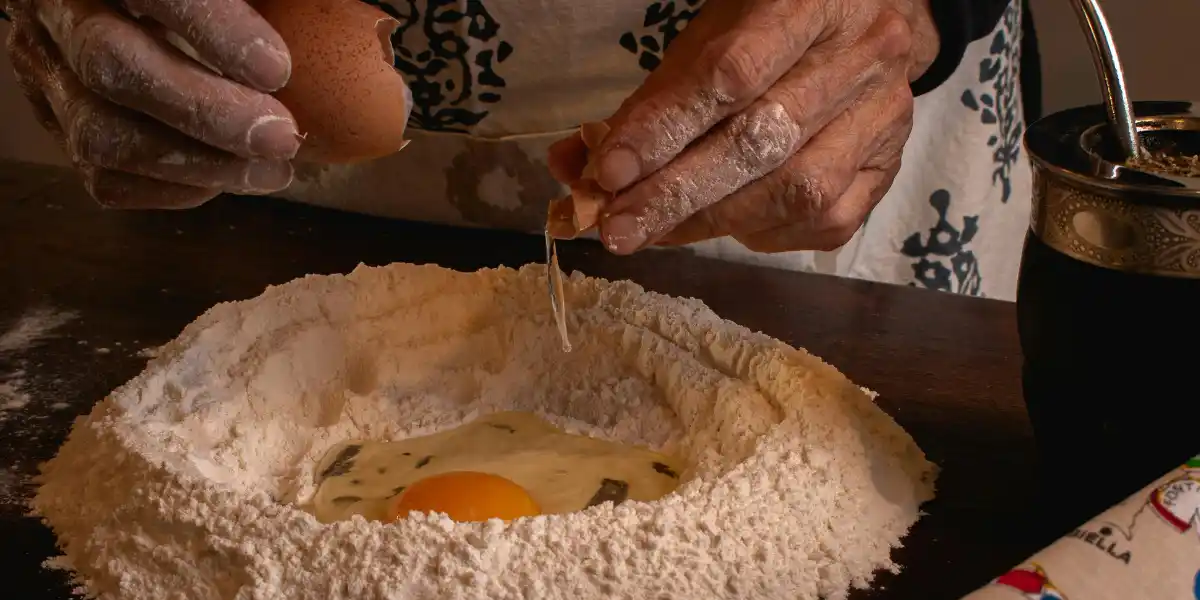
Linda (character’s name has been changed for personal privacy) runs a small care service. Lately, more families have been asking the same question: “How do we keep Mum mentally active at home?”
They’re not asking for more hours. They’re asking for something more practical-something that actually works.
That’s where cooking and dementia risk becomes an important conversation. Not as a theory, but as a simple daily habit that may help protect brain health.
Can Cooking At Home Reduce Dementia Risk
Cooking and dementia risk is gaining attention because of one key idea: small, consistent activities can have a big impact on brain health.
A recent report highlighted that even cooking one meal a week may help lower the risk of cognitive decline (according to South China Morning Post).
For business owners in care services, this changes the approach. It’s no longer just about care delivery-it’s about engagement through daily activities.
What Research Says About Cooking And Brain Health
Studies show that cooking is more than a routine-it’s a form of mental exercise.
Research indicates:
- Cooking regularly is linked to 23–27% lower dementia risk
- For individuals with fewer skills, the reduction can be even higher (according to Medical News Today)
This positions brain health cooking as a practical strategy, not just a lifestyle choice.
In the context of ageing and brain health, activities that combine thinking and action are proven to be more effective than passive routines.
How Cooking Stimulates Memory And Cognitive Function
The reason cooking and dementia risk are connected comes down to how the brain works.
Cooking involves multiple cognitive stimulation activities:
- Planning meals
- Remembering recipes
- Measuring and timing
- Problem-solving
Each step activates different parts of the brain.
According to research, these combined actions help maintain memory and slow cognitive decline. This is why cooking is often recommended as part of a dementia prevention lifestyle.
Why Even One Meal A Week Makes A Difference
One of the most important insights is this: consistency matters more than intensity.
You don’t need daily cooking to see benefits.
Even one meal per week:
- Encourages routine
- Stimulates thinking
- Builds confidence
This makes daily habits dementia prevention more realistic for families and participants.
For providers, this is a key shift-focus on sustainable habits, not complex programs.
How Daily Habits Impact Dementia Risk
Dementia risk is influenced by everyday behaviour.
Simple activities like cooking, social interaction, and learning new skills all contribute to long-term brain health.
The connection between cooking and dementia risk highlights a broader principle:
=> The brain needs regular stimulation to stay active.
This aligns with global research showing that mentally engaging lifestyles can delay or reduce cognitive decline.
How Families Can Support Brain Health Through Routine
For families, the goal isn’t to create pressure-it’s to create structure.
Practical ways to support:
- Encourage simple cooking tasks
- Involve loved ones in meal preparation
- Keep routines consistent
- Focus on participation, not perfection
These small steps support both independence and cognitive stimulation activities.
Role Of NDIS Cognitive Support In Daily Activities
This is where structured support becomes essential.
NDIS cognitive support can help by:
- Assisting with daily routines like cooking
- Encouraging participation in meaningful activities
- Supporting skill-building and independence
For many families, the challenge isn’t knowing what to do-it’s having the support to do it consistently.
That’s where services aligned with NDIS cognitive support make a real difference.
Final Thoughts
Linda realised something important: families don’t need more information-they need practical solutions.
That’s the real value behind understanding cooking and dementia risk.
It’s simple. It’s accessible. And most importantly, it works.
At Lotus Care Group, we focus on supporting NDIS cognitive support through meaningful daily activities like cooking-helping individuals stay engaged, independent, and connected to everyday life.