
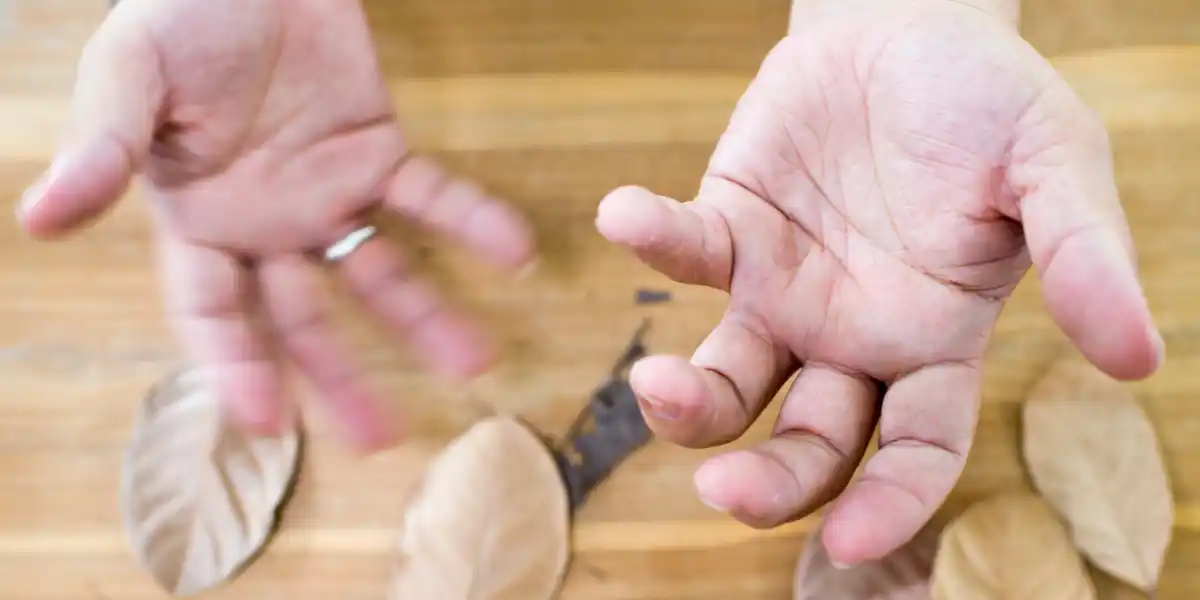
Parkinson’s disease often starts quietly, and the early signs of Parkinson’s can be easy to miss. Small changes like a slight tremor, softer speech, or sleep issues may not seem serious, but they can be early warning signs Parkinson’s families should not ignore. Noticing them early helps people get support sooner and improves long-term wellbeing.
What Is Parkinson’s Disease?
Parkinson’s disease is a condition that affects movement, balance, and coordination. Over time, it can make everyday activities like walking, writing, or speaking more difficult.
It happens when the brain produces less dopamine, a chemical that helps control smooth body movement. When dopamine levels drop, movements may become slower, stiffer, or shaky. These changes are part of the main neurological symptoms linked to Parkinson’s.
Common risk factors include:
- Being around age 65, but about 1 in 10 cases occur in people under 45.
- Family history of Parkinson’s disease
- Exposure to harmful chemicals
- Previous head injuries
Early Symptoms to Watch
The Parkinson’s symptoms at an early stage can look different for each person, but there are several common signs families should not ignore.
Movement-related symptoms:
- Tremor or shaking, often starting on one side at rest
- Muscle stiffness that limits comfort and movement
- Slower movements that affect daily tasks
- Changes in posture, often more hunched
Other early changes may include:
- Ongoing fatigue
- Low mood or mild depression
- Restlessness or discomfort
These early changes may seem mild, but when they continue or appear together, they may be early warning signs parkinson’s.
Difference Between Aging and Parkinson’s
It can be difficult to tell normal aging from Parkinson’s at first. However, there are clear differences.
In normal aging:
- Tremors are rare
- Movement slows slightly but stays steady
- Posture changes are mild
- Handwriting changes are small
In Parkinson’s:
- Tremors are more common, especially at rest
- Movement becomes noticeably slow and difficult
- Posture becomes more stooped
- Handwriting becomes very small and cramped
Many people assume tremors are the only symptom, but Parkinson’s includes both movement and non-movement issues, including neurological symptoms such as sleep problems, mood changes, and loss of smell.
When to Seek Medical Advice
Knowing when to seek help for Parkinson’s is important for early diagnosis and better care. If small changes continue over time, don’t ignore them—early check-ups can make a big difference.
You should seek medical advice if:
- Persistent parkinson’s symptoms early like tremor, stiffness, or slow movement
- Several warning signs parkinson’s appear together
- Daily tasks become harder (walking, dressing, writing)
- Changes in balance, posture, or coordination
- Ongoing fatigue, sleep issues, or mood changes
Early neurological symptoms can also be subtle, such as loss of smell, tiredness, or anxiety. If you are unsure, it’s always safer to get checked early for proper guidance and support.
How Early Support Helps
Getting support early can make a real difference for people living with Parkinson’s, especially when the early signs of Parkinson’s first appear. It helps people stay independent for longer, manage symptoms more effectively, and maintain a better quality of life.
In Australia, NDIS support plays an important role in helping people with Parkinson’s access the right care at the right time. With support services and providers like Lotus Disability Care, individuals can receive tailored assistance such as:
- Physiotherapy, occupational therapy, and speech therapy to support movement and communication
- Help with daily activities like personal care, cleaning, and meal preparation
- Assistive equipment to improve safety, mobility, and independence
- Support to stay socially connected and engaged in the community
Lotus Disability Care is committed to person-centred support and building an inclusive community where everyone has equal access to opportunities and care.
Starting support early also helps reduce stress on families and provides valuable support for Parkinson’s carers, making daily life more manageable and balanced for everyone involved.