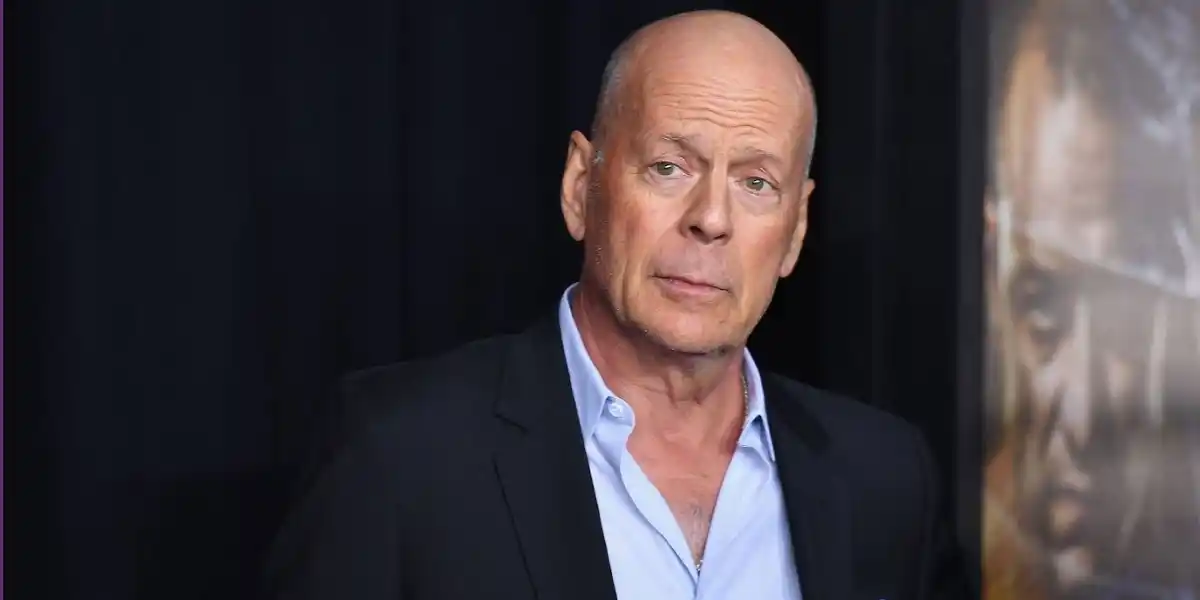
Rare dementia awareness is growing as people begin to understand that dementia is not only about memory loss. The public diagnosis of Bruce Willis FTD has helped highlight lesser-known brain disorders that affect language, behavior, and daily life. His story encourages early understanding, support, and compassion for families facing rare dementia.
Brief Overview of Bruce Willis’ Diagnosis and Public Update
Rare dementia awareness increased after Bruce Willis’ family shared his health journey with the public. After retiring in 2022 due to aphasia, his family later confirmed in 2023 that he was diagnosed with frontotemporal dementia (FTD), a condition that affects language and behavior more than memory.
Since then, his wife and daughters have shared honest updates about his stable but progressive condition, helping people understand that dementia can look very different from what many expect.
What Rare Dementias Are, Including Frontotemporal Dementia (FTD)
When people hear the word “dementia,” they usually think of Alzheimer’s disease. However, Alzheimer’s is only one of many conditions. Rare dementias are brain disorders that affect fewer people and often appear earlier in life.
- Understanding Frontotemporal Dementia (FTD)
Frontotemporal dementia (FTD) affects the parts of the brain that control speech, behavior, and social skills. Unlike Alzheimer’s, memory loss is not always the first sign. People with FTD may show personality changes, language problems, or difficulty making decisions. Bruce Willis FTD helps explain why some people remember events but struggle to communicate or behave as before.
- Types of Dementia Beyond Alzheimer’s
There are many types of dementia, including:
- Frontotemporal dementia (FTD)
- Primary progressive aphasia
- Lewy body dementia
- Vascular dementia
Each type affects the brain differently. This is why brain disorder awareness is so important for correct diagnosis and care.
- Why Rare Dementias Are Often Misunderstood or Overlooked
Rare dementias are often misunderstood because many people think dementia only causes memory loss in old age. When symptoms affect speech or behavior, they are often mistaken for stress or personality changes.
Other reasons rare dementias are overlooked include:
- Symptoms appear slowly
- Patients may be younger and physically healthy
- Doctors may need years to confirm a diagnosis
In the case of Bruce Willis FTD, early symptoms were mistaken for a childhood stutter. This experience is very common among families facing rare brain disorders.
How Public Figures Help Reduce Stigma and Increase Awareness
Public figures play a major role in rare dementia awareness. When celebrities and their families speak openly, they help normalize conversations about brain health.
Bruce Willis’ family has:
- Shared honest updates without exaggeration
- Corrected harmful rumors
- Highlighted the emotional reality of dementia
Their transparency reduces stigma and helps others feel less alone. It also encourages people to seek medical advice earlier instead of hiding symptoms out of fear or shame.
This kind of visibility supports broader brain disorder awareness and creates understanding across different cultures and age groups.
The Importance of Early Understanding, Support, and Compassion
Early understanding of dementia changes lives. While there is no cure for FTD, early diagnosis allows families to:
- Plan for future care
- Access support services
- Learn communication strategies
- Reduce fear and confusion
Compassion is just as important as medical care. Dementia affects the entire family, not only the person diagnosed. Bruce Willis’ story reminds us that even when abilities change, the person is still present and deserving of dignity and love.
Increased rare dementia awareness also supports dementia research, helping scientists better understand these conditions and develop future treatments.
Where Families Can Find Reliable Information and Support
Families dealing with rare dementias need trustworthy information. Reliable sources include:
- Neurology clinics and memory centers
- National dementia organizations
- Caregiver support groups
- Research-based health websites
In addition to global resources like the Association for Frontotemporal Degeneration (AFTD), community-focused platforms such as Lotus Disability Care offer practical guidance, emotional support, and wellbeing services for individuals and families affected by brain health challenges. Access to trusted information helps reduce fear and empowers families to make informed decisions.